How to set your South Asian wedding budget
Wedding trends for 2026
modern touches with south asian flair
Let me say the quiet part out loud: Most couples don’t go over budget because they’re careless. They go over budget because they never really set one to begin with. And with South Asian weddings, that mistake gets expensive fast.
Because this isn’t just one event: It’s a Mehndi that turns into a full-day celebration, a Sangeet that feels like a concert, a ceremony steeped in tradition, and a reception that could rival a gala. Add in 250–400 guests, multiple outfit changes, and family expectations, and suddenly, you’re not planning a wedding, you’re producing a multi-day experience.
So before you fall in love with a venue or start moodboarding décor, we need to talk about the one thing that will shape every decision you make:
Your budget.
Before you even land on a number, there’s a step most couples skip, and it’s the one that prevents almost every budgeting mistake down the line. Start with a number you’re actually comfortable spending. Not a stretched number. Not a “we’ll figure it out later” number. A real one.
Then, have the conversation with your families before you book anything. Who is contributing? How much? Are there expectations tied to that contribution? Because once contracts are signed, it’s much harder to adjust. Clarity early on gives you control. Not just over your budget, but over your entire planning process.
First, What Are You Actually Planning?
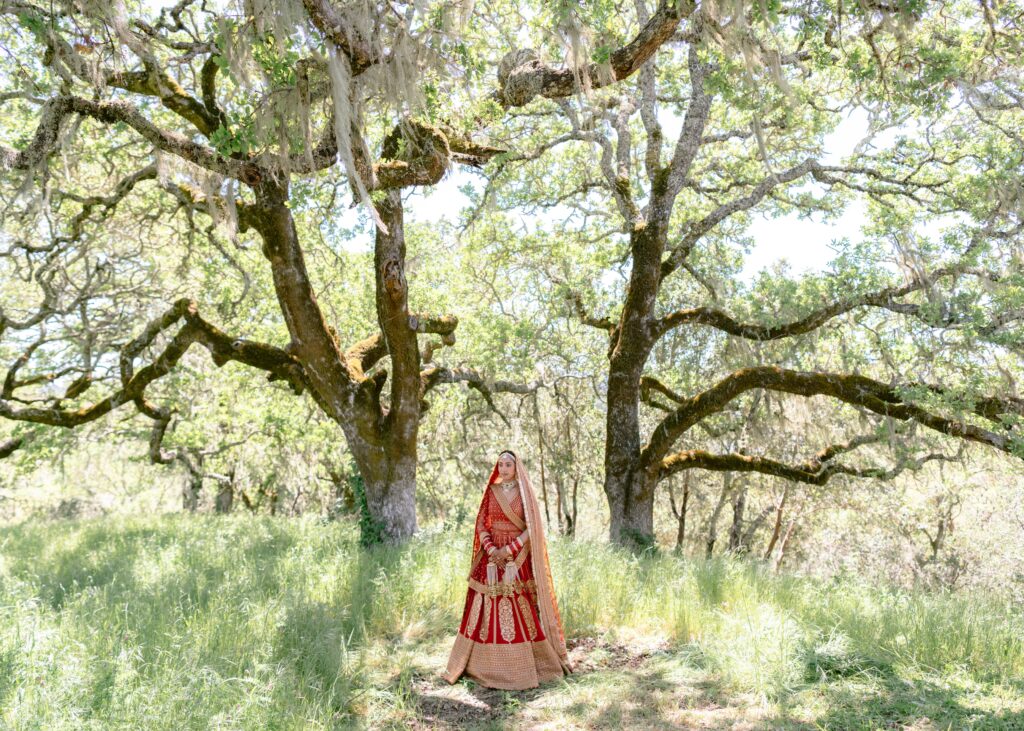
A lot of couples underestimate this part. A South Asian wedding isn’t one event; it’s typically 3 to 6+ events, each with its own costs.
Common events include:
- Mehndi
- Haldi
- Sangeet
- Wedding Ceremony
- Reception
- (Optional) Welcome Dinner, Poojas, Brunch
Even your “smaller” events aren’t small once everything is accounted for. A Mehndi or Haldi can still cost $5,000–$20,000+ depending on scale.
Each function—whether it’s the Haldi, Mehndi, Sangeet, ceremony, or reception—comes with its own energy, its own guest list, and its own set of vendors. And even when something feels “low-key,” it rarely stays that way.
A backyard Mehndi still needs seating, food, décor, music, and someone to apply mehndi. A Sangeet might start as “just performances,” but now you need staging, lighting, sound, rehearsals. It builds.
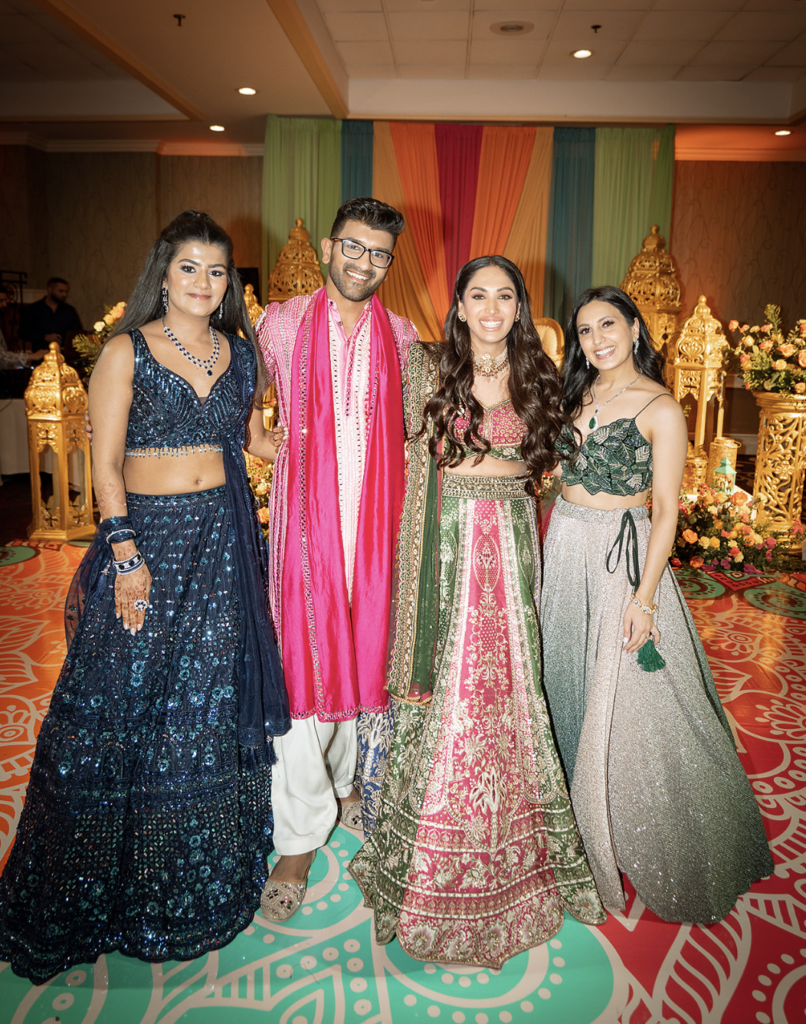
What South Asian Weddings Typically Cost
Based on industry data (WeddingWire, The Knot, and industry insights):
- Average U.S. wedding: $30,000–$40,000
- South Asian weddings: $150,000–$250,000+
- Luxury weddings: $300,000–$500,000+
Not because couples are being excessive, but because the structure of the celebration demands more.
The Two Things That Quietly Control Your Entire Budget
If you take nothing else from this article, take this: Your guest count and your number of events will determine almost everything.
Most costs scale per person.
Typical per-person costs (per event):
- Catering: $40–$150+
- Rentals (chairs, linens, tableware): $10–$30+
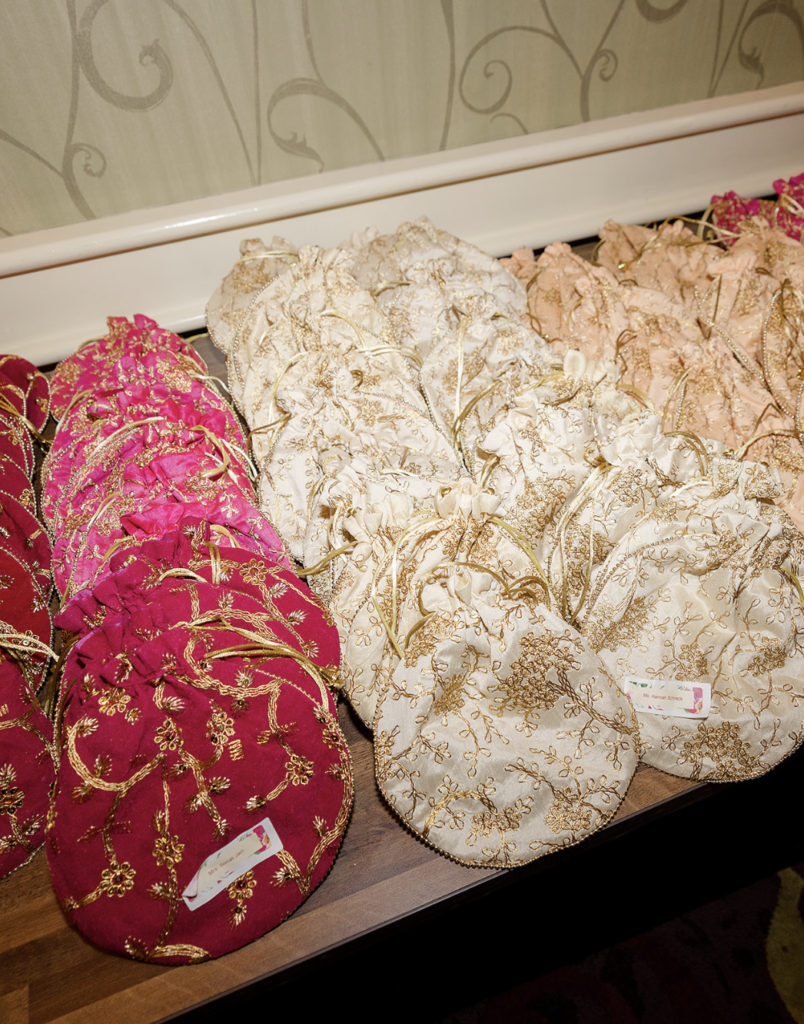
- Favors & welcome bags: $10–$50
So when you’re inviting 300 people, you’re already looking at $12,000 to $45,000 for food, for just one event. Now multiply that across multiple days.
And then there’s the number of events. Each one requires its own setup, vendors, rentals, and often a completely different look and feel.
This is where couples get caught off guard. They plan one event realistically… and then unintentionally recreate that same level of production four more times.
Where the Money Actually Goes
Let’s talk about what you’ll realistically spend, because vague advice doesn’t help when you’re trying to make decisions.
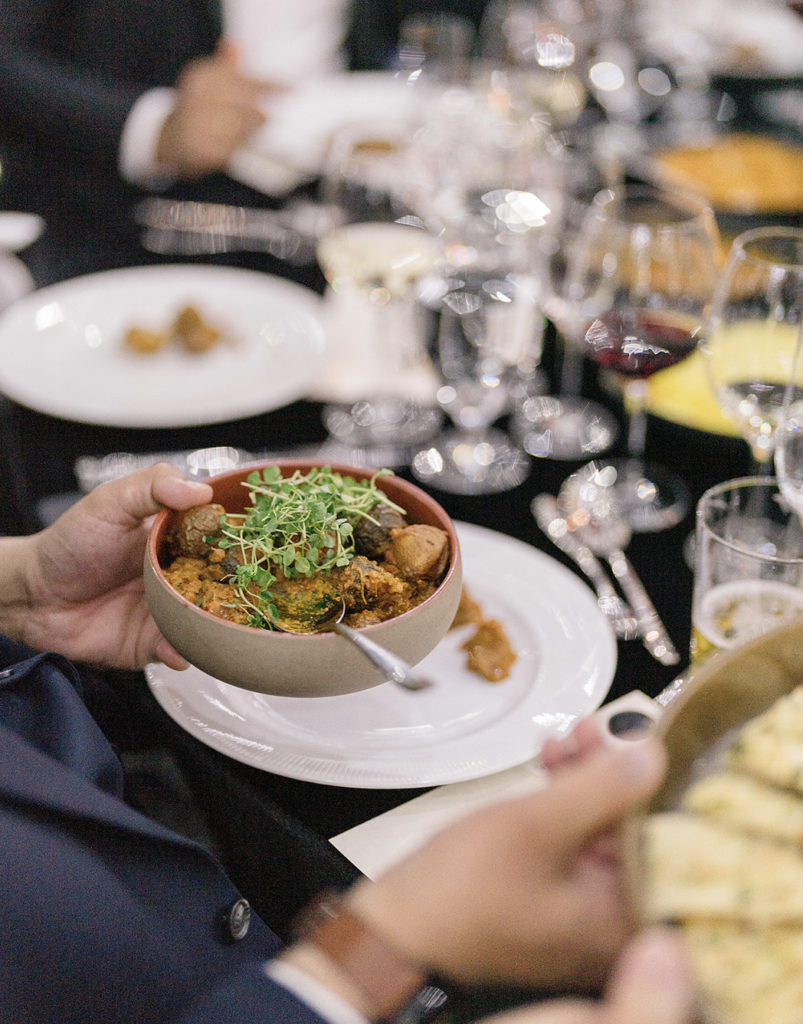
Food is usually the biggest line item. Between multiple cuisines, late-night snacks, and accommodating large guest counts, catering alone can take up 15–20% of your budget.
What to expect:
- $40–$150+ per person
- Multi-cuisine (Indian + Western) increases cost
- Add-ons: chai stations, late-night snacks
Then comes the venue (20%-35% of your budget). Whether you’re booking a hotel ballroom, an outdoor estate, or multiple venues across different days, you’re likely looking at anywhere from $60,000 to $200,000+ depending on the scale.
Typical ranges:
- Hotel ballroom: $25,000–$50,000+
- Outdoor estate: $10,000–$40,000+
- Multi-day buyouts: significantly higher
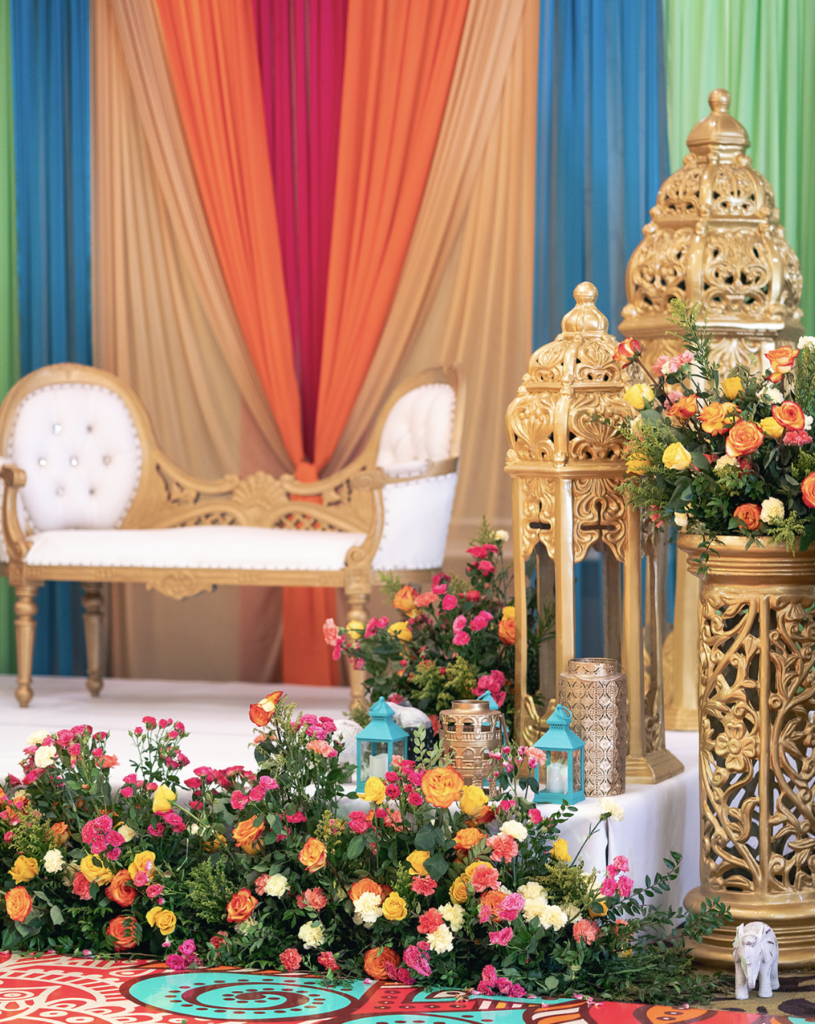
Décor (10%-35% budget) is where things can really swing. A simple setup might stay around $5,000, but once you start layering in florals, custom backdrops, mandap design, and lighting, it’s very easy to reach $200,000-$1,000,000, or more, especially if each event has a distinct theme.
Typical range:
- $20,000–$50,000+
- Luxury floral-heavy weddings: $75,000+
Includes:
- Mandap
- Stage/backdrops
- Florals
- Lighting
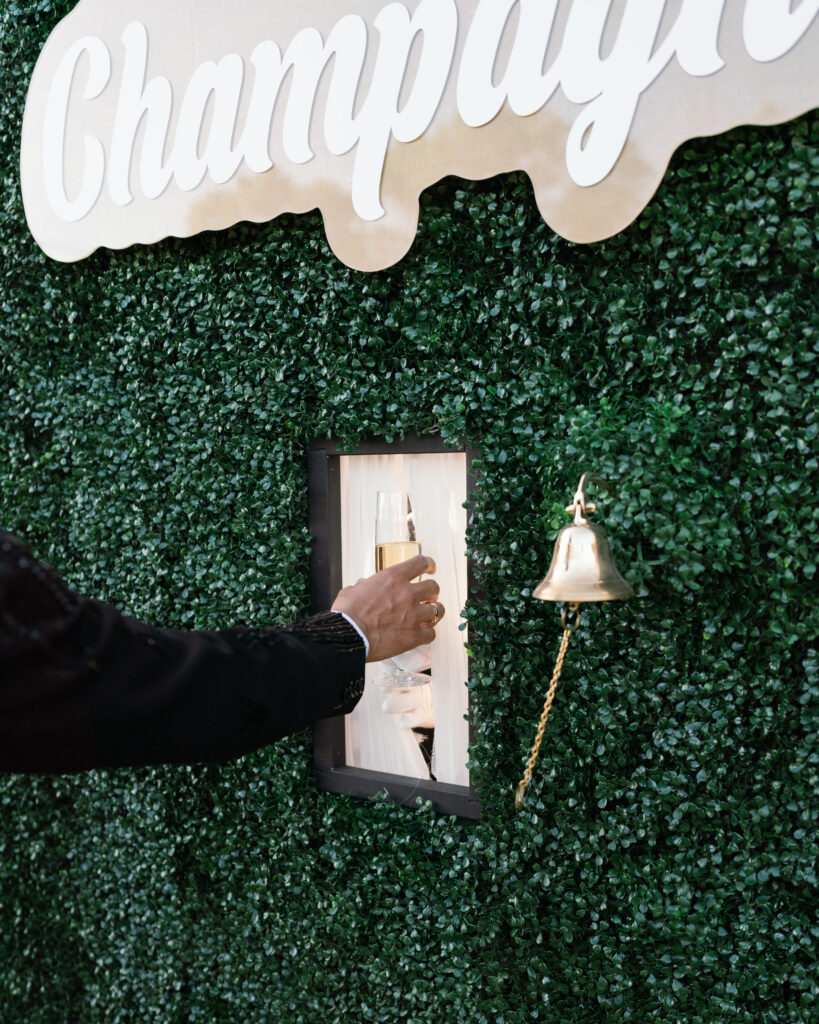
Entertainment is another big one, and it’s unique in South Asian weddings. Your DJ isn’t just playing a set; they’re often managing hours of programming, multiple cultures’ music, announcements, and transitions. Expect anywhere from $1,500 to $5,000 per event, with additional costs for lighting or live performers like dhol players.
Typical costs:
- DJ: $1,500–$5,000 per event
- Lighting: $5,000–$10,000+
- Live performers (dhol, singers): additional
Photography and videography (10%-15% of budget) are also higher than average, simply because coverage spans multiple days. Most couples invest between $5,000 and $15,000+, especially if they want full storytelling across every event.
Then there are the cultural elements that don’t always get factored in early enough: your priest or pandit, mandap setup, mehndi artists, baraat logistics. These are essential, not optional, and they add up quickly.
Typical costs:
- Priest/Pandit: $500–$2,500+
- Mandap setup: $2,000–$10,000+
- Mehndi artists: $300–$2,000+
- Dhol players: $300–$1,500
- Baraat transportation: $500–$2,000+
Wardrobe & Jewelry
And finally, is wardrobe and jewelry. Multiple events = multiple looks.
Typical investment:
- Bridal lehenga: $2,000–$10,000+
- Reception outfit: $1,000–$5,000+
- Additional outfits: $300–$2,000 each
- Jewelry: $500–$20,000+
The Costs No One Warns You About
There’s a moment in almost every planning process where the “invisible” costs start showing up.
- Hair & makeup (multiple events): $150–$500 per event
- Transportation & guest shuttles: $1,000–$5,000+
- Hotel blocks & welcome bags
- Invitations & postage: $500–$2,000+
- Vendor meals
- Overtime fees (very common)
- Generators for outdoor events
- Marriage license
These aren’t glamorous, but they’re real. None of these things are outrageous on their own. But together, they’re usually what push a budget past its limit.
Let’s Talk About Family Contributions
This is one of the most sensitive, and most important, conversations to have early.
Traditionally, the bride’s family hosts the ceremony and the groom’s family hosts the reception. But in modern weddings, that structure shifts constantly. Some families split everything evenly. Some divide by event. Some couples fund the wedding themselves entirely. There’s no right answer here. But clarity matters.
Because your “budget” isn’t just a number, it’s a reflection of who’s contributing, how decisions are being made, and what expectations come with that. Have the conversation early. It makes everything else easier.
How to Build a Budget That Actually Works
Here’s where most people expect a formula. But the truth is—it’s less about math, and more about clarity. The most effective budgets don’t start with spreadsheets. They start with priorities.
At the very beginning of the planning process, we have each partner separately define their top three priorities for the wedding day. And those priorities don’t have to be vendor-related. It might be:
- “I want to actually enjoy the day and not feel rushed”
- “I want an unforgettable dance floor”
- “I want an intimate, emotional ceremony”
This matters more than you think.
Because early on, couples have a clear vision of what’s important to them. But as planning progresses—and as social media, trends, and outside opinions start to creep in—that vision can get cloudy. So we come back to those three things. Every time. They become the filter for every decision, including budget.
From there, you can start allocating your budget in a way that reflects your priorities, while still leaving room (10–15%) for the unexpected. A general framework for budgeting is:
Catering: 15–20%
Venue: 20–35%
Decor: 10–35%
Photo/Video: 10–15%
Entertainment: 10–15%
Misc: 5–10%
And yes, you can negotiate. Especially when you’re booking multiple events with the same vendors. Flexibility on dates, bundling services, or simplifying certain elements can all create room in your budget without sacrificing the experience.
This is also where having a planner becomes incredibly valuable. Instead of guessing what to spend, we guide couples on what they should be spending across each category based on their overall budget and priorities.
From there, we only introduce vendors that align within that range. This does two things:
- It saves you an incredible amount of time
- It prevents you from falling in love with options that were never realistic for your budget in the first place
It also significantly reduces the chances of going over budget halfway through planning. Something that happens more often than couples expect.
A Final Thought Before You Start Booking Anything
A well-planned budget doesn’t restrict your wedding. It gives it shape. It helps you make decisions faster. It protects you from overspending in the wrong places. And it allows you to actually enjoy the process, instead of constantly second-guessing it.
And if you’re wondering where a wedding planner fits into all of this—
A good planner isn’t just there to “execute.” They’re there to guide your decisions, manage your budget across multiple events, recommend the right vendors, and catch the things you didn’t even know to think about. Especially with South Asian weddings, that level of support isn’t a luxury, it’s what keeps everything running smoothly behind the scenes.
The couples who feel the most confident throughout planning aren’t the ones with the biggest budgets. They’re the ones who had clarity from the beginning. They knew what mattered to them. They aligned on a number they were comfortable spending. And they made decisions through that lens every step of the way.
Because at the end of the day, this isn’t just about pulling off a beautiful wedding. It’s about creating a celebration you can fully be present for. And that starts with a budget that actually makes sense.